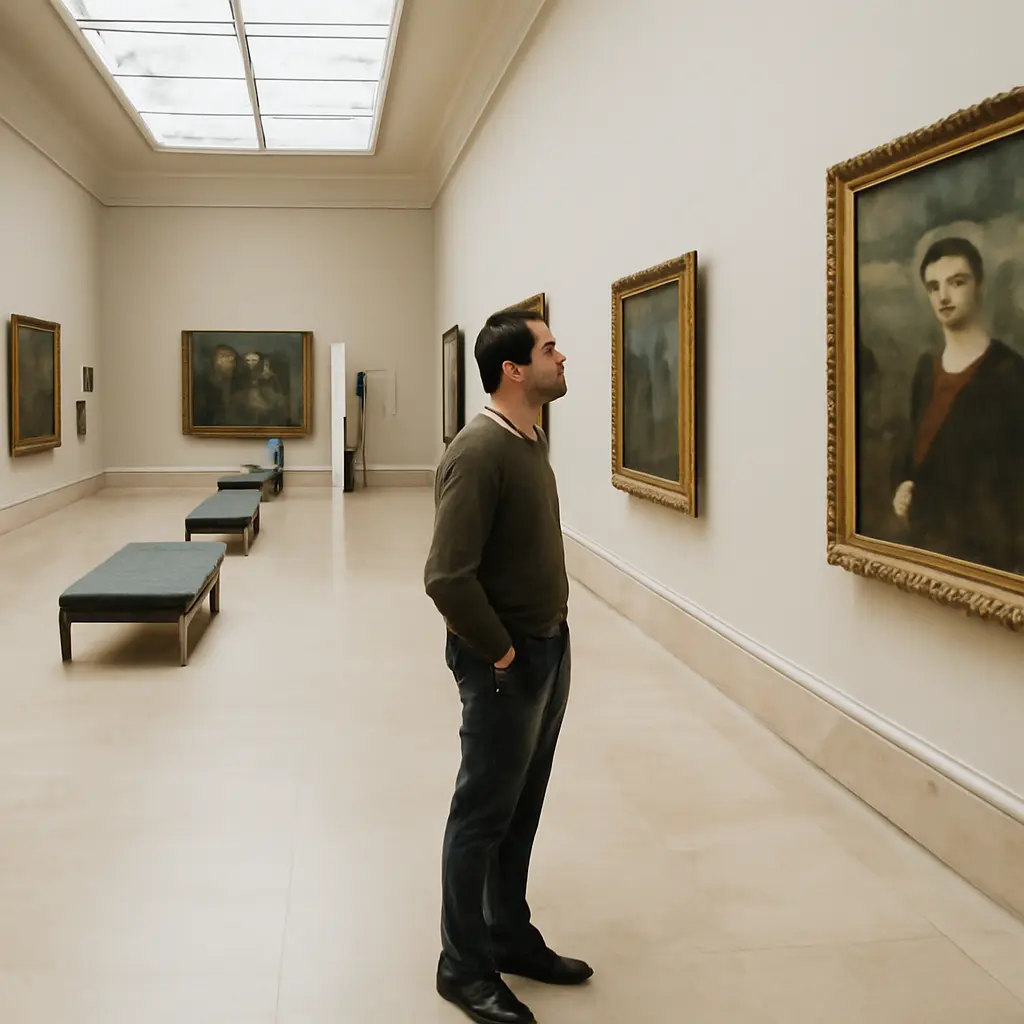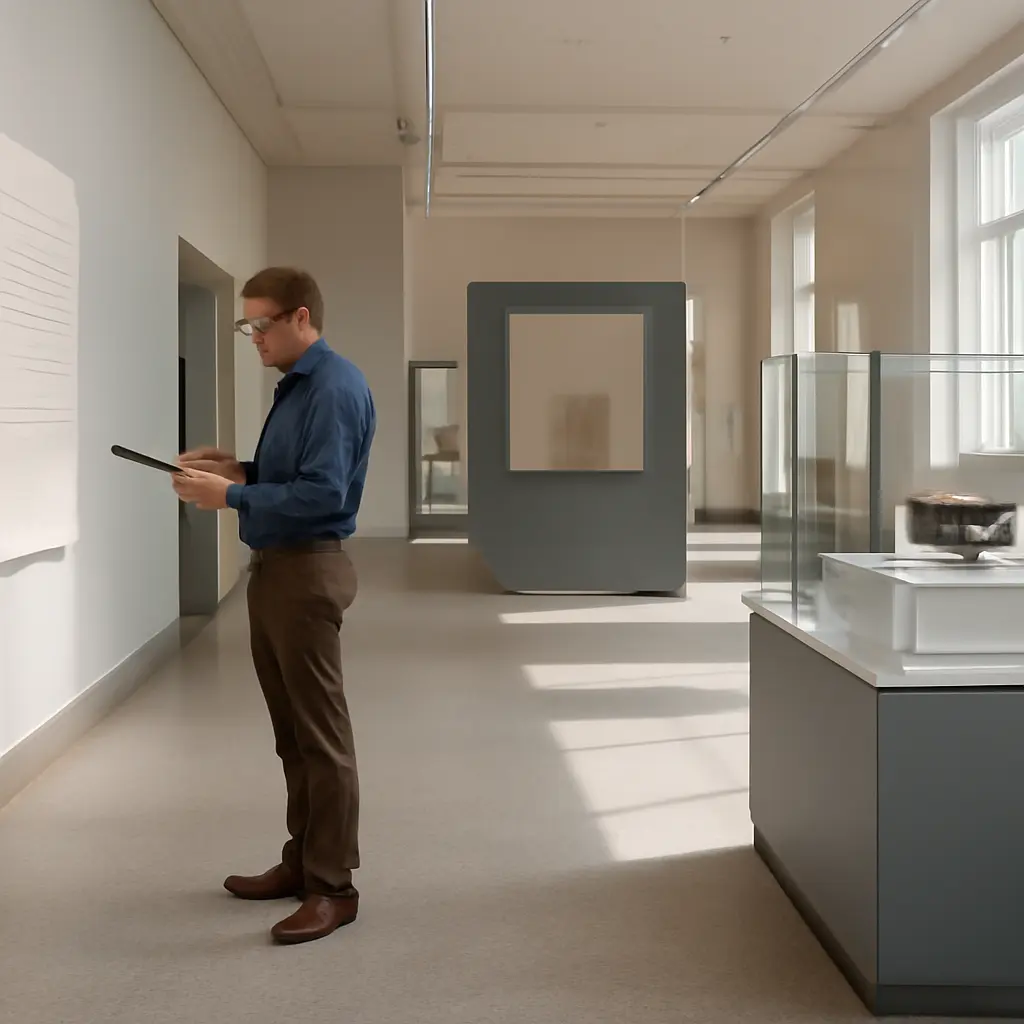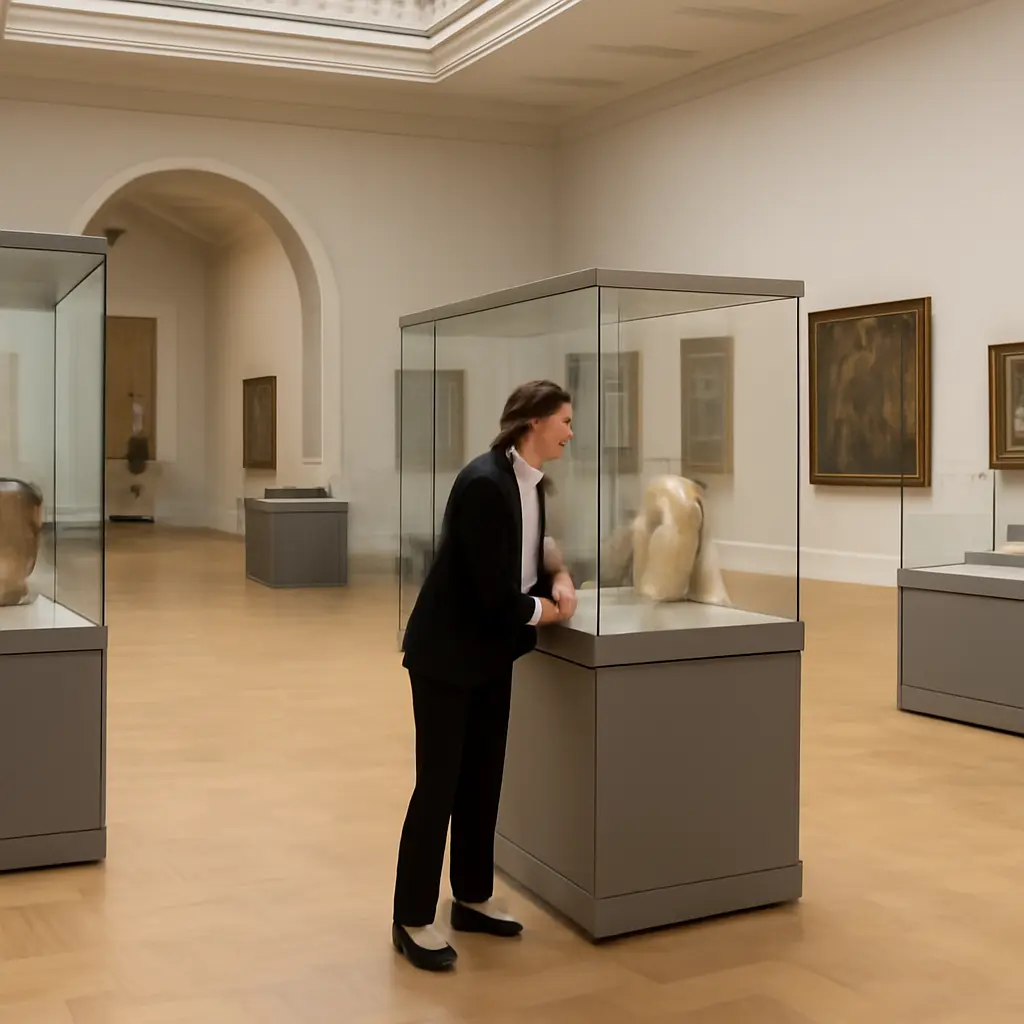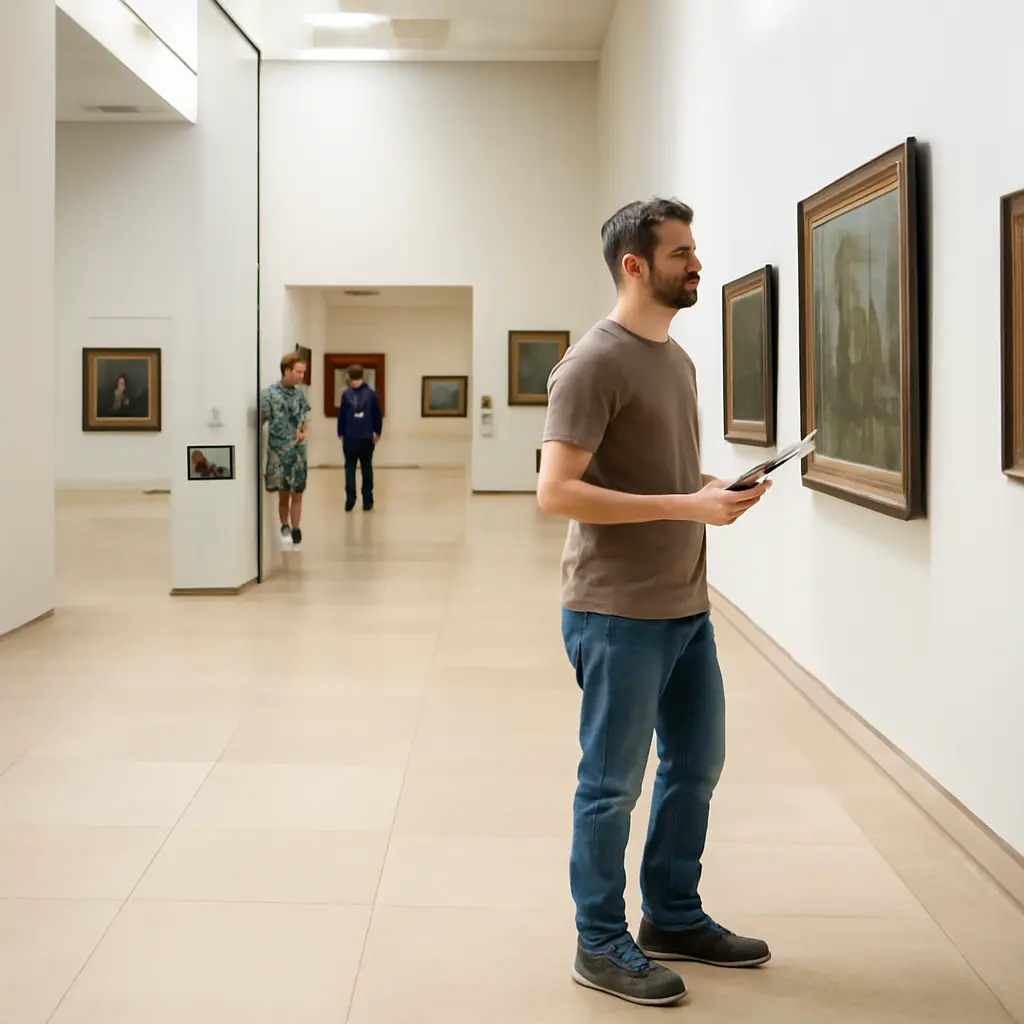
A temporary exhibition is a museum or gallery presentation displayed for a limited period, often bringing together objects, artworks, or interpretations around a particular theme. Before visiting one, check its dates, ticket and entry requirements, accessibility, and rules for viewing or photography; then allow enough time to explore its layout and supporting materials. These preparations matter because temporary shows can be popular, have timed admission, and feature loans or installations that differ from a venue’s permanent displays. The American Alliance of Museums reports that U.S. museums collectively welcome hundreds of millions of visits annually, underscoring the importance of planning for busy cultural spaces.
Plan a Temporary Exhibition Visit
A temporary exhibition is a time-limited display organized by a cultural institution, with its own subject, objects, interpretation, and visiting conditions. The International Council of Museums describes museums as institutions that research, collect, conserve, interpret, and exhibit tangible and intangible heritage; a temporary exhibition is one way museums put those functions into practice for a defined audience and period. Unlike a permanent collection display, its dates and contents may change, and some works may be available only through loans.
Temporary exhibitions take several forms, including single-artist retrospectives, historical or archaeological displays, thematic exhibitions, touring shows, and immersive or interactive presentations. Their variety makes checking the specific exhibition’s information more useful than relying on general assumptions about the venue.
Check dates, hours, and admission
Exhibition dates define the period during which the display is open, but the venue’s general opening hours may differ by day, holiday, or special event. Confirm both before setting out. Check whether admission is included with general entry, requires a separate ticket, or uses timed slots. If the exhibition is a popular touring show, advance booking can help avoid sold-out sessions or queues.
The museum’s official visitor page is the best source for current hours, ticket terms, closures, and entry arrangements. Also check whether tickets are refundable or transferable, and whether late arrival affects admission. These details are especially important when travel plans or a group schedule are involved.
Understand the exhibition’s scope
An exhibition’s scope describes its subject, selection of objects, and interpretive approach. Read the introductory description to learn whether the show focuses on a period, place, person, material, or idea, and whether it includes original works, replicas, digital displays, or participatory activities. This context helps set realistic expectations: a show about a broad historical period may present selected examples rather than a comprehensive account.
Look for information about age suitability, language availability, audio guides, and estimated visit time. If the exhibition addresses difficult subjects or includes sensory effects, the venue may provide content notes or practical guidance.
Prepare for the Gallery Experience
Knowing the exhibition’s practical conditions helps visitors spend more time engaging with the material and less time solving avoidable problems. Museum rules vary because conservation needs, security, crowd management, and accessibility differ between displays.
Review accessibility and visitor facilities
Accessibility information explains how visitors with different mobility, sensory, or communication needs can use the venue and exhibition. Check for step-free routes, lifts, seating, accessible toilets, large-print or audio materials, sign-language resources, and quiet spaces. Contact the institution in advance if a feature is essential or if you need to arrange assistance.
The Smithsonian Institution’s accessibility guidance, for example, describes services and accommodations across its museums, illustrating why visitors should consult the specific venue rather than assume every site offers the same provision. Also check coat-check, bag-size, food, and stroller policies, since these may affect what you can bring into the galleries.
Know photography and conservation rules
Photography policies determine whether visitors may take pictures and under what conditions. Some institutions allow non-flash photography in certain galleries, while others prohibit it for reasons that can include copyright, loan agreements, visitor safety, or conservation. Follow posted signs and staff instructions; do not assume a rule in one gallery applies throughout the building.
Conservation rules also protect fragile works from accidental contact and environmental damage. Keep a respectful distance, avoid touching display cases, and follow restrictions on food, drink, and large belongings. The American Institute for Conservation emphasizes preventive care—such as managing light, handling, and environmental exposure—as a core part of protecting cultural objects.
Plan time without rushing
Visit length depends on the exhibition’s size, format, and your interests. A small focused display may take less than an hour, while a large exhibition with films, interactive stations, or extensive labels can take considerably longer. Check whether the venue publishes a recommended duration, and leave additional time for admission, cloakroom queues, and breaks.
A practical approach is to identify a few objects or sections you most want to see, then explore the rest at a comfortable pace. If you are visiting with children or a group, agree on a meeting point and consider a break between galleries.
Make Meaning of What You See
A temporary exhibition is not only a collection of objects; it is also an argument or interpretive experience shaped by selection, arrangement, labels, and design. Paying attention to those elements can make a visit more rewarding, whether the subject is art, science, history, or design.
Use labels and interpretation selectively
Wall texts, object labels, maps, audio guides, and digital tools provide context about provenance, date, materials, and significance. Start with the introductory panel to understand the exhibition’s central idea, then use object labels to deepen your understanding. You do not need to read every word: choose the explanations that help answer your questions.
Notice how the exhibition groups objects and directs attention. Comparisons between works, changes in lighting, or a shift in room design may communicate relationships that are not explained in a single label.
Consider loans, provenance, and changing displays
Temporary exhibitions often include loans from other museums, private collections, or community lenders. A loan can make it possible to see an object outside its usual location, but it may also be subject to restrictions or a short display period. Exhibition credits and labels can identify lenders and explain an object’s history.
Provenance is the documented history of an object’s ownership and movement. Where relevant, consider whether the exhibition explains how objects were acquired and what is known—or not known—about their histories. Such questions connect a visit to broader discussions of cultural heritage, stewardship, and institutional responsibility.
Engage with interactive and immersive elements
Interactive exhibits invite visitors to participate through touchscreens, hands-on activities, sound, projection, or movement through a designed environment. Follow instructions and allow others a turn, particularly when equipment or seating is limited. If an experience uses sound or flashing imagery, check for sensory notices and alternative routes.
An immersive presentation can be memorable, but it is still worth looking for the evidence and interpretation behind the design. Ask what the experience helps you notice, and how its creative choices shape your understanding of the subject.
A Simple Pre-Visit Checklist
Before leaving, use this short checklist to confirm the details most likely to affect your visit:
- Confirm exhibition dates, venue hours, and any closure notices.
- Check ticket requirements, timed entry, and late-arrival rules.
- Read the exhibition description, age guidance, and estimated duration.
- Review accessibility services, bag policies, and available facilities.
- Check photography, food, and conservation rules.
- Plan transport, arrival time, breaks, and a meeting point if visiting as a group.
For example, someone planning to see a busy touring exhibition can verify timed admission, arrive early enough to use the cloakroom, and check whether photography is permitted. A visitor attending a smaller historical display may instead prioritize the catalogue or audio guide and allow extra time for detailed labels. In both cases, checking the venue’s current information avoids relying on outdated third-party listings.
Conclusion
A temporary exhibition is a time-limited, curated presentation, so a successful visit begins with checking its dates, scope, tickets, accessibility, and gallery rules. Planning enough time, understanding labels and loans, and engaging thoughtfully with interactive displays can deepen the experience while helping protect the works on view. Before you go, consult the institution’s official visitor information and choose one or two questions you would like the exhibition to help you explore.
Sources: International Council of Museums, Museum Definition, https://icom.museum/en/resources/standards-guidelines/museum-definition/; American Alliance of Museums, Museums and the Economy, https://www.aam-us.org/programs/about-museums/museums-and-the-economy/; Smithsonian Institution, Accessibility at the Smithsonian, https://www.si.edu/visit/accessibility; American Institute for Conservation, Caring for Your Treasures, https://www.culturalheritage.org/about-conservation/caring-for-your-treasures.